



SCIENCE-BACKED SUPPLEMENTS THAT ACTUALLY WORK
Magceutics Brain Health & Wellness Supplements
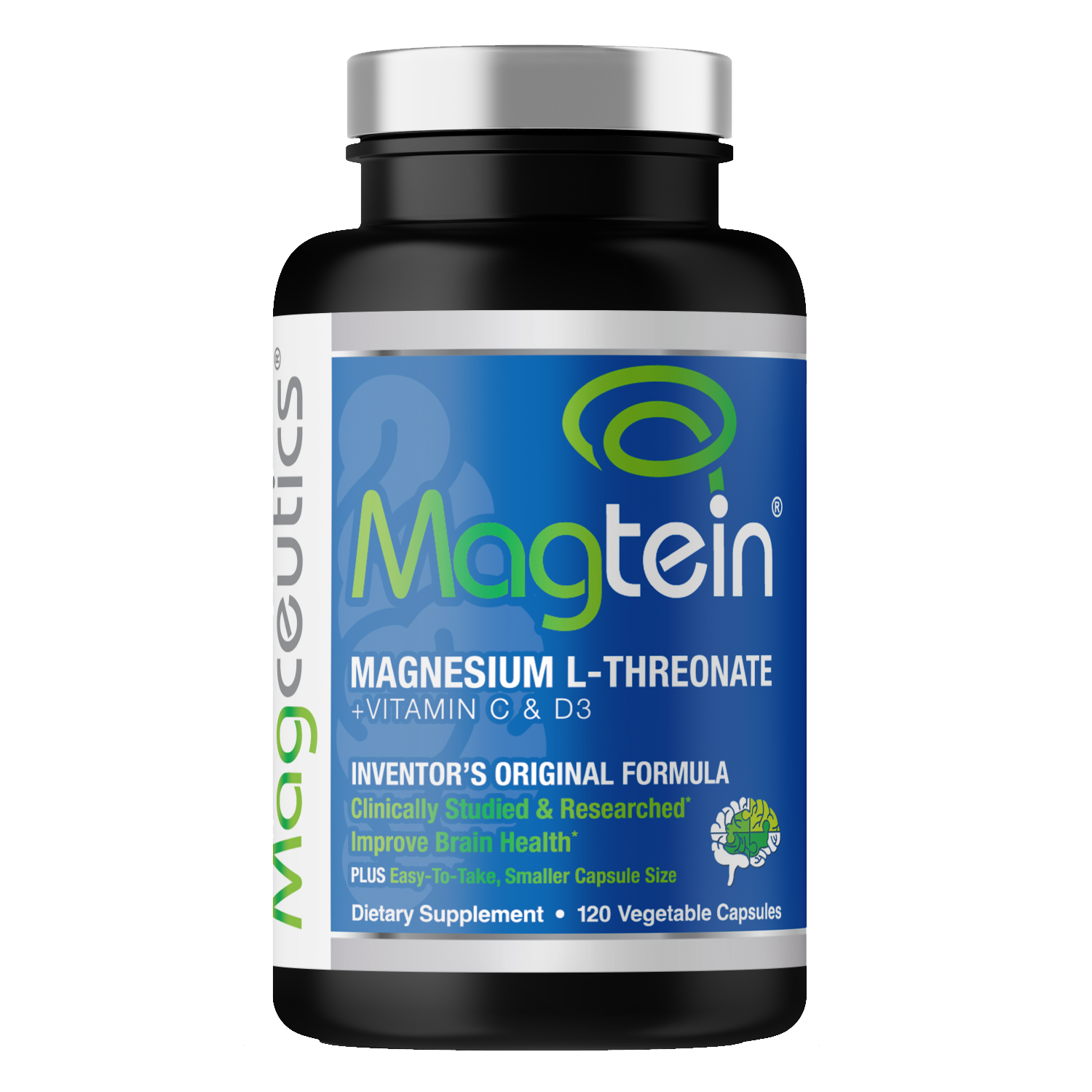
Magceutics approaches supplementation differently. We don't follow trends or create products based on marketing hype. Instead, we build formulations around rigorous research and targeted ingredients selected to support specific wellness goals. Our focus centers on cognitive performance and foundational health support, starting with Magtein®, a patented form of magnesium L-threonate developed by MIT researchers specifically to cross the blood-brain barrier and support brain function. We've expanded our product line to address the interconnected aspects of real health: focus, mood, energy, bone health, and the nutritional foundation your body needs to perform at its best.
Every product we create starts with the same question: What does the research actually show? That commitment to evidence-backed supplementation guides everything we do.
Better Health Starts Here
Why Magceutics?
RESEARCHED INGREDIENTS
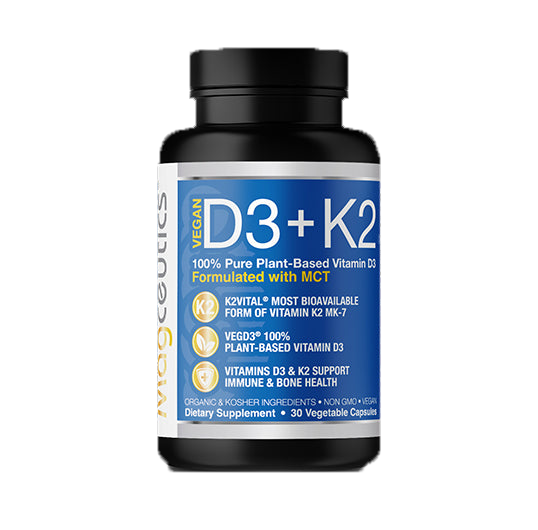
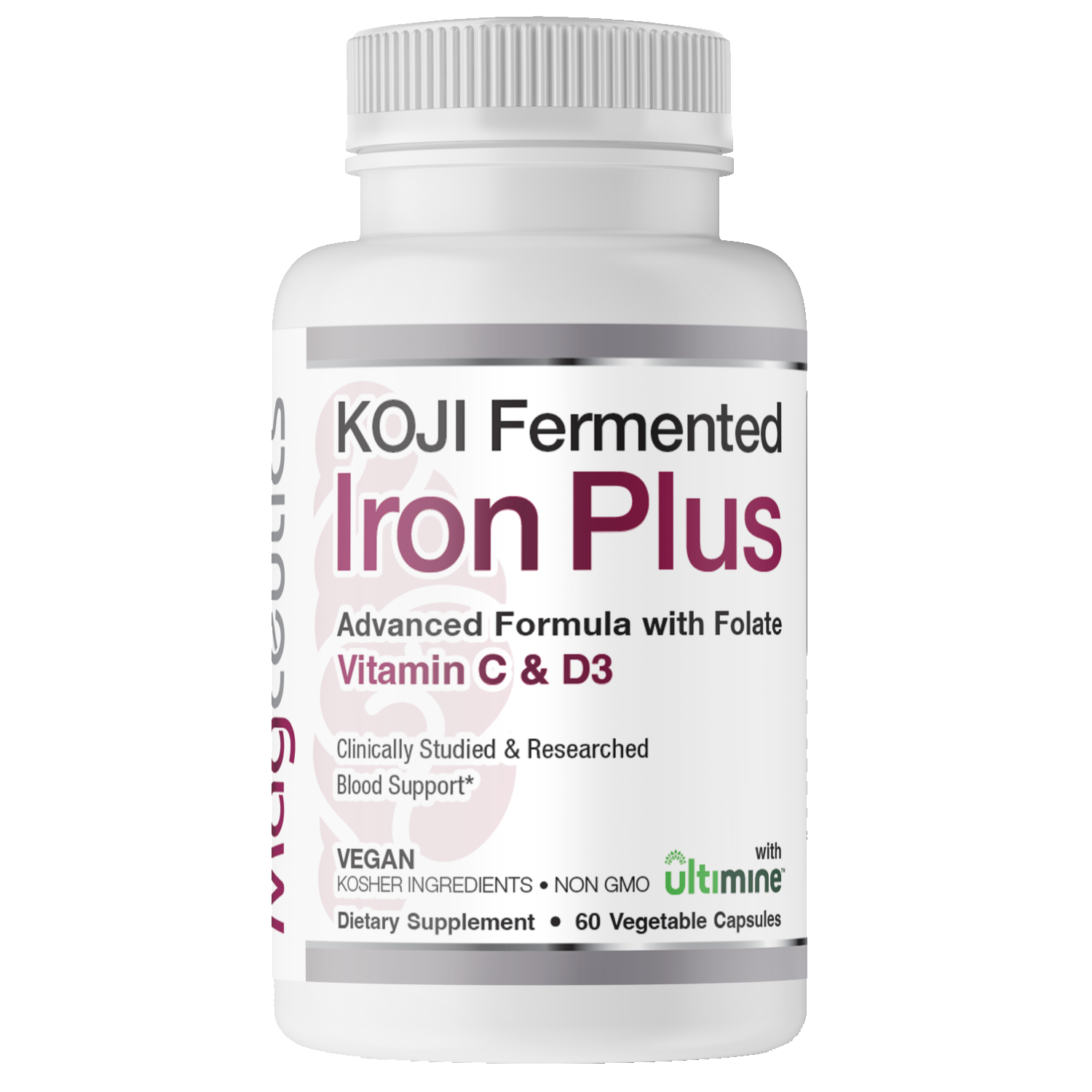
We select ingredients based on data, not marketing claims. Magtein® has been studied for its role in supporting areas such as memory, cognitive performance, focus, and sleep quality. Koji Iron+ provides fermented iron that your body recognizes as food rather than synthetic supplements, delivering superior absorption and tolerability. VegD3+K2 combines plant-based vitamin D3 with K2 in ratios supported by bone health research. Each ingredient serves a specific purpose backed by evidence.
BRAIN PERFORMANCE WITHOUT STIMULANTS
Supporting focus doesn't always have to mean reaching for caffeine. Magceutics offers formulations designed to support mental clarity, focus, and cognitive wellness through targeted nutrition, not stimulants. That gives customers options for supporting demanding days without building their routine around the caffeine cycle.
SUPPLEMENTS BUILT FOR DAILY LIFE
Health support needs to fit your schedule and lifestyle. We offer capsules for straightforward supplementation, gummies for those who prefer chewables, convenient twin packs ensuring consistent supply, and formulations designed specifically for children. Whether you're managing a demanding work schedule, supporting your kids' developing brains, or addressing multiple health goals simultaneously, Magceutics provides the formats and combinations you need.
FIND THE RIGHT SUPPORT FOR YOUR HEALTH GOALS
Everyone’s health priorities look different. Your focus might be sharpening cognitive performance at work, supporting a healthy response to everyday stress, supporting quality sleep, or ensuring your kids get proper nutritional support during critical developmental years. We've organized our products around these real priorities so you can find exactly what supports your specific needs.
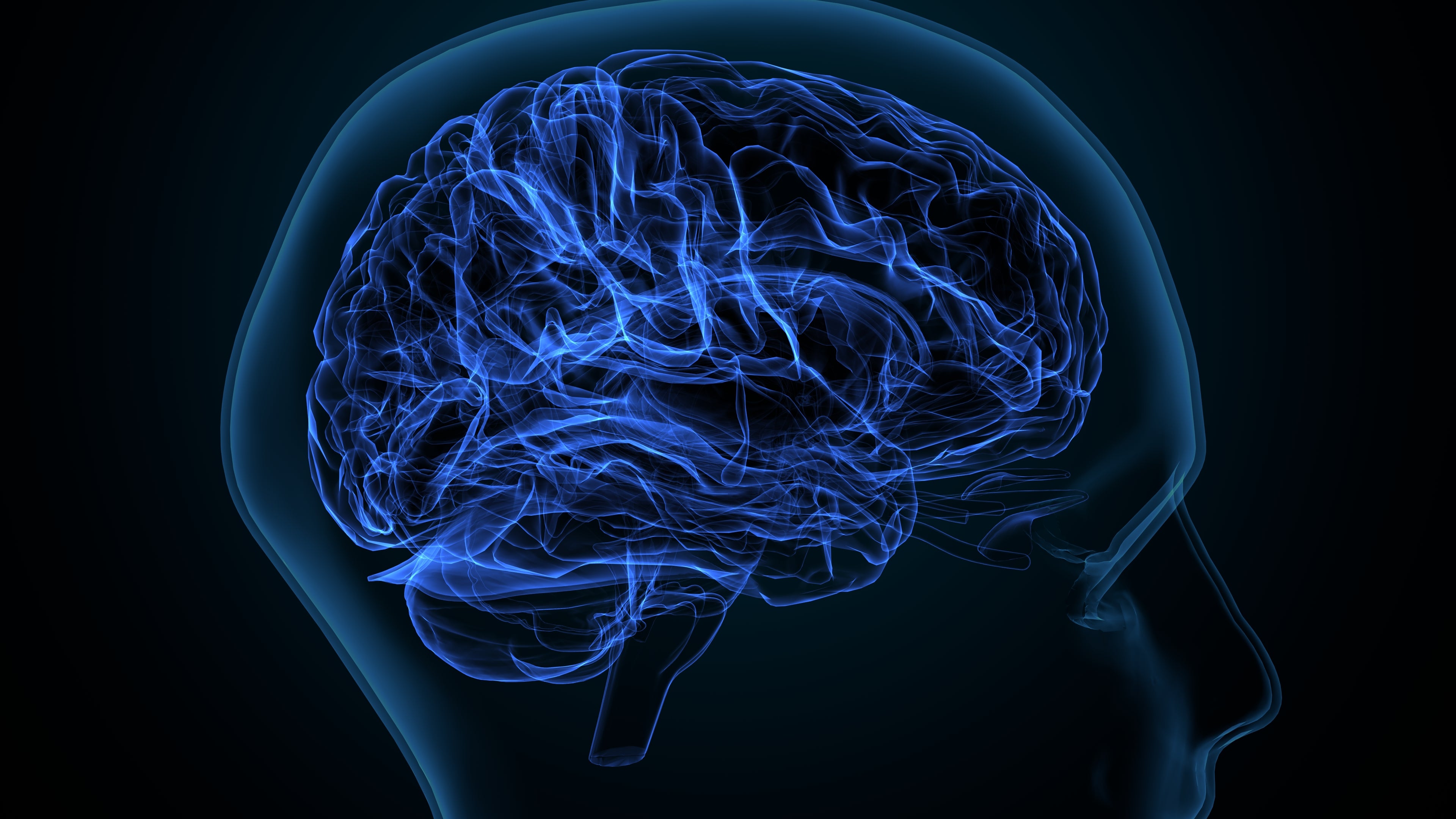
Brain Health supports memory, learning, and cognitive function so you maintain mental clarity throughout your life.
Focus & Productivity keeps you mentally sharp through demanding days, supporting the sustained attention that drives success.
Calm & Mood Support supports your natural stress response, promoting emotional balance and resilience.
Energy & Vitality addresses nutritional needs affecting energy levels, helping you maintain the stamina for active living.
For Kids features age-appropriate options designed to support everyday nutrition and wellness for growing kids.




THE SCIENCE BEHIND SMARTER SUPPLEMENTATION
Magceutics approaches supplementation through research and purposeful formulation. We don't create products promising to fix everything. Instead, we develop specific solutions for specific health goals based on what the evidence shows.
Magtein® represents this philosophy perfectly. MIT researchers didn't just identify magnesium's importance for brain health. They engineered a specific form to deliver it effectively to brain tissue where it matters most. That precision and purpose guide our entire product development process.
Our product line has expanded beyond brain-focused magnesium to address complementary wellness needs. Iron supports healthy energy levels and cognitive function, while vitamins D3 and K2 provide complementary nutritional support for bone health. Each addition reflects the same approach: purposeful ingredients selected around specific wellness goals, not supplement trends.

Magtein®
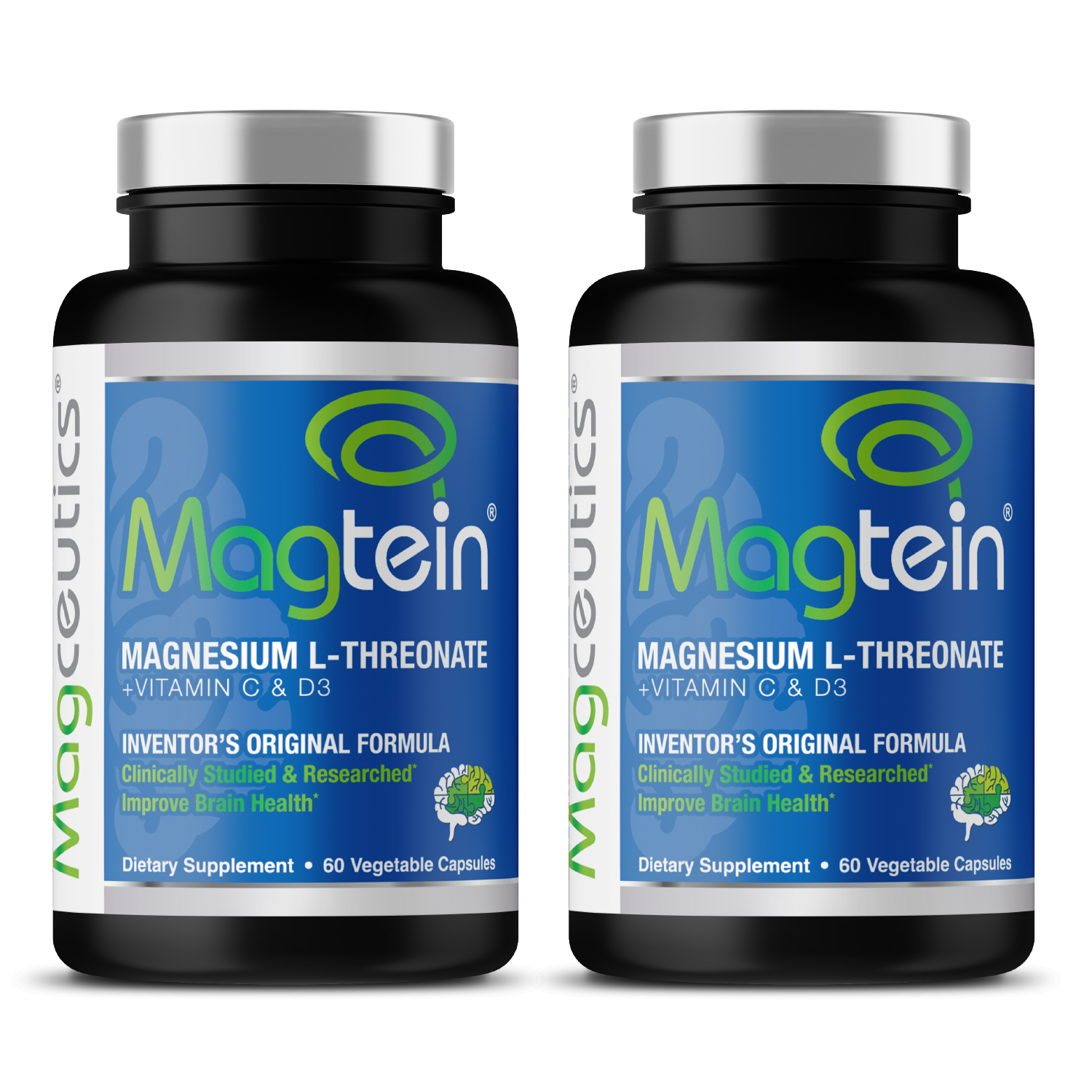
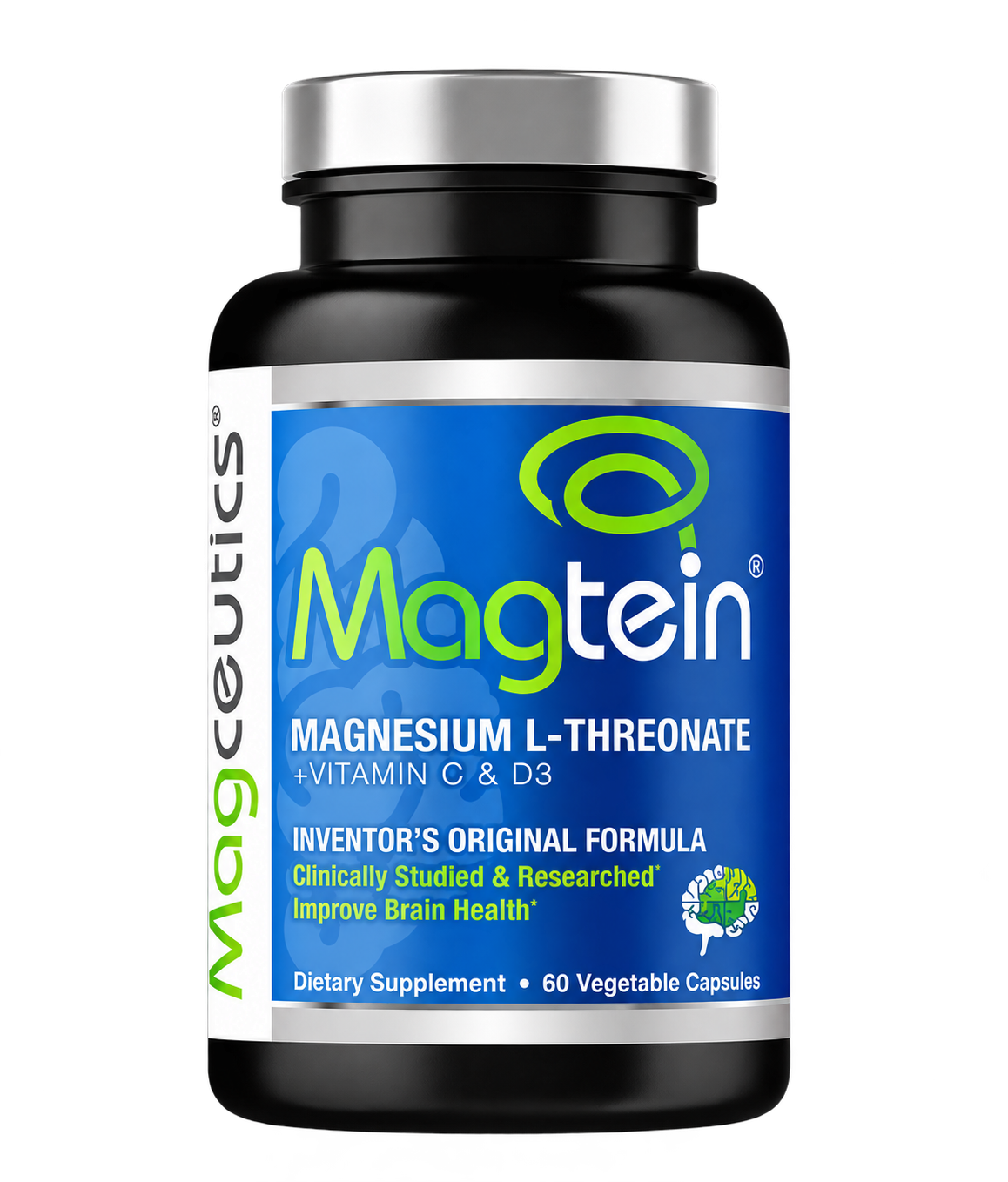
Magtein® delivers brain-focused magnesium supplementation with magnesium L-threonate to support memory, focus, and mental clarity.
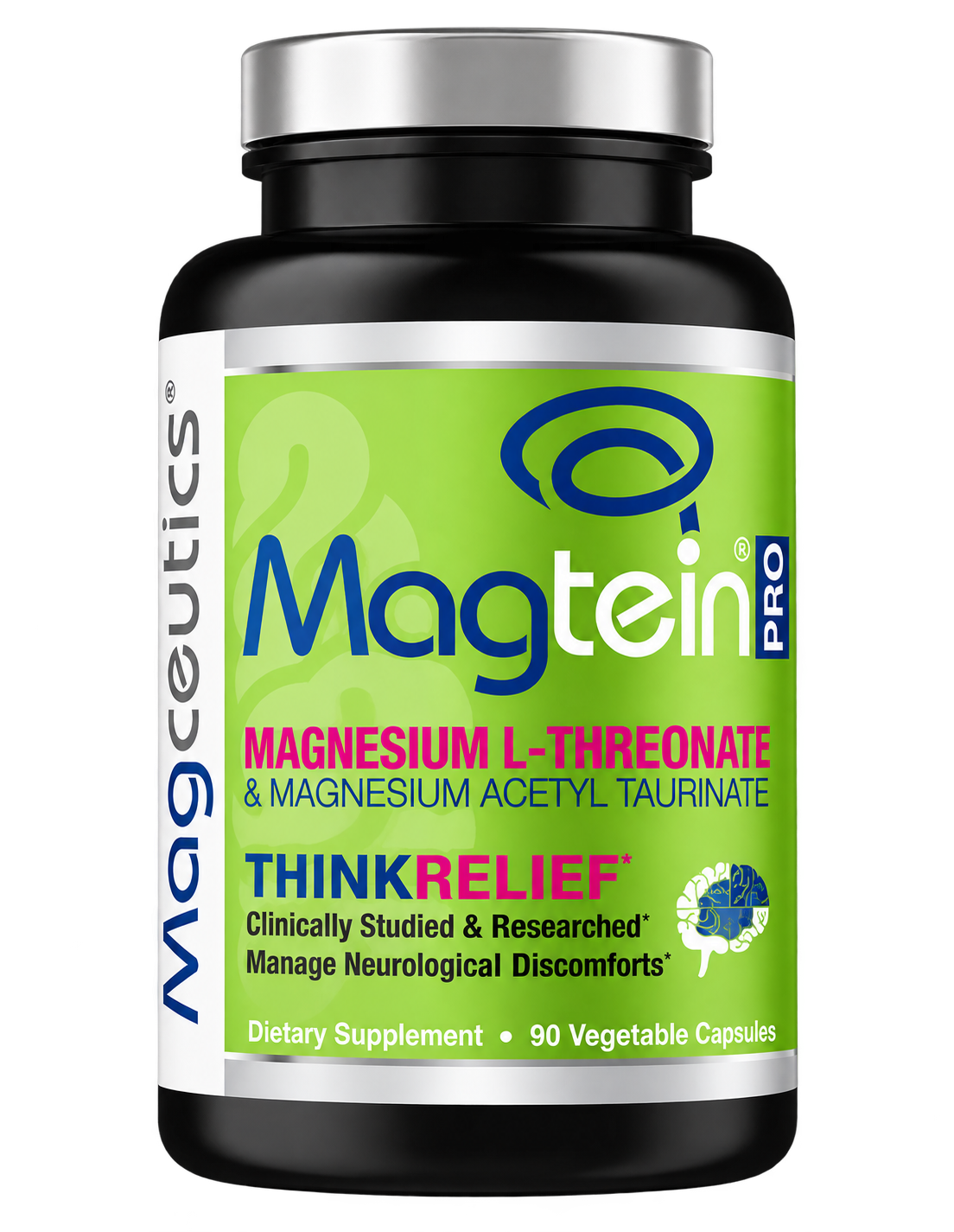
MagteinPRO®
support memory, focus, and mental clarity.
MagteinPRO® offers advanced cognitive support for customers seeking comprehensive brain health benefits through a dual-magnesium formula combining L-threonate with acetyl taurinate.
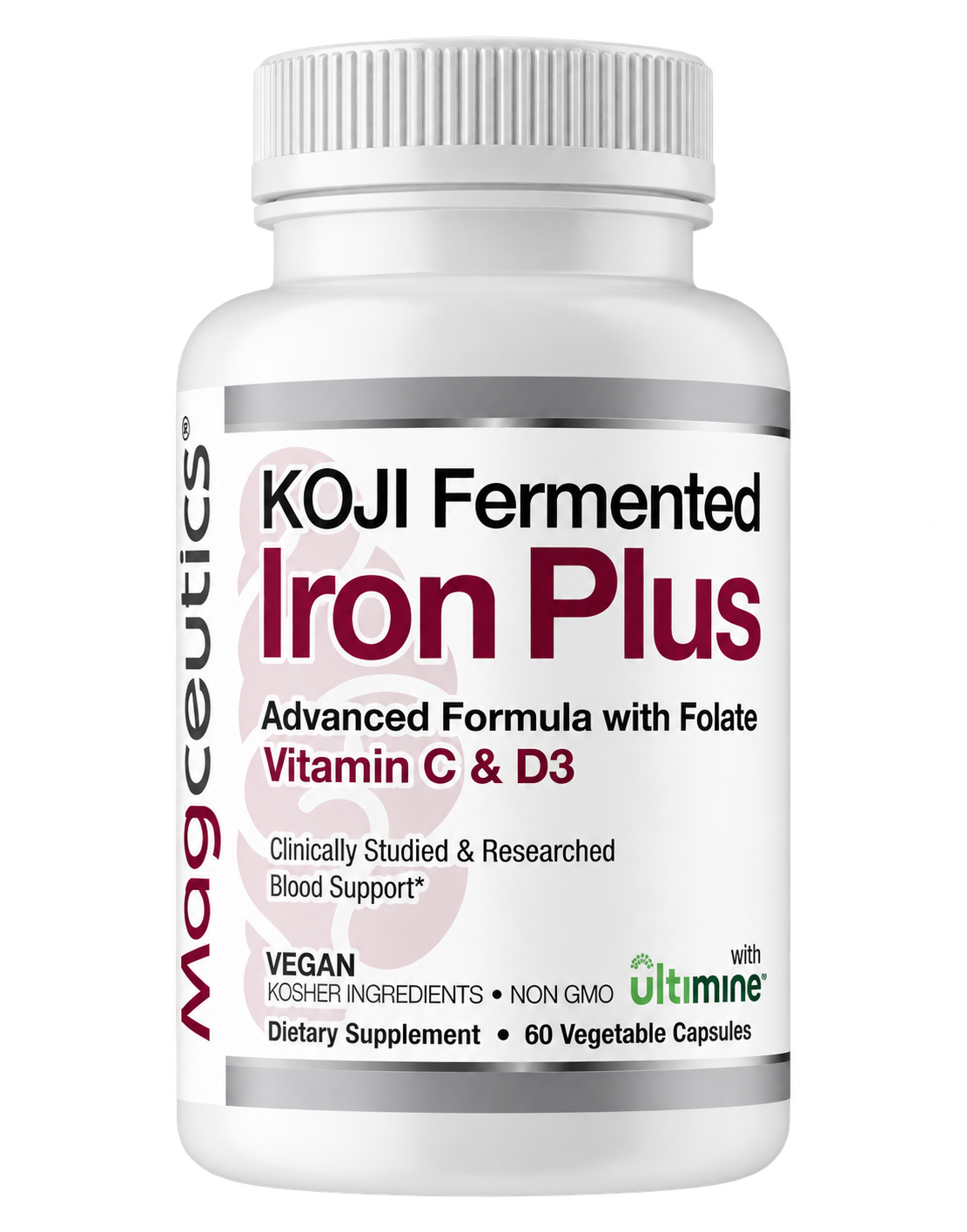
Koji Iron+
Koji Iron+ provides nutritional support for healthy iron levels, energy production, and cognitive function through fermented iron your body recognizes as food.
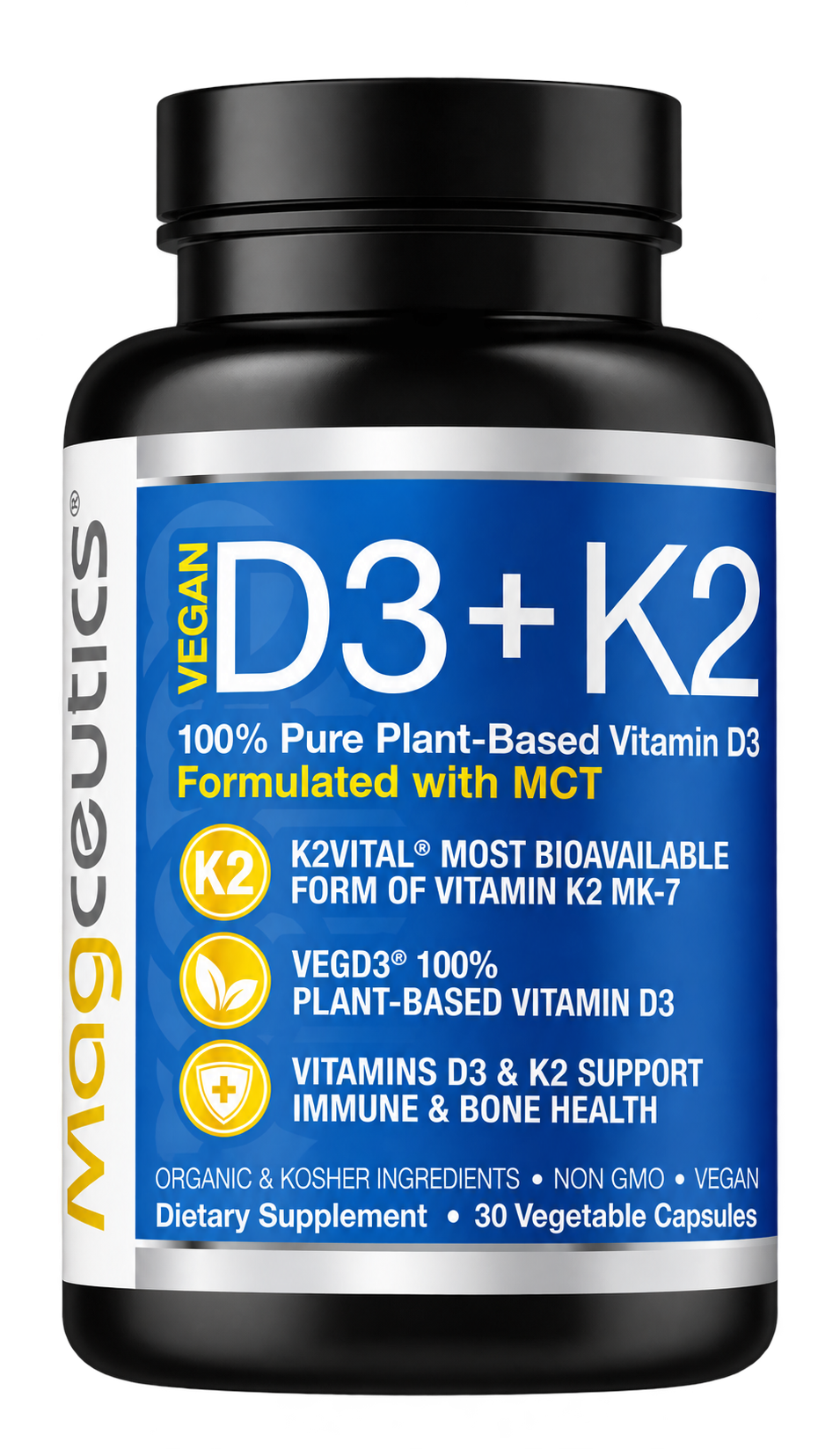
VegD3+K2
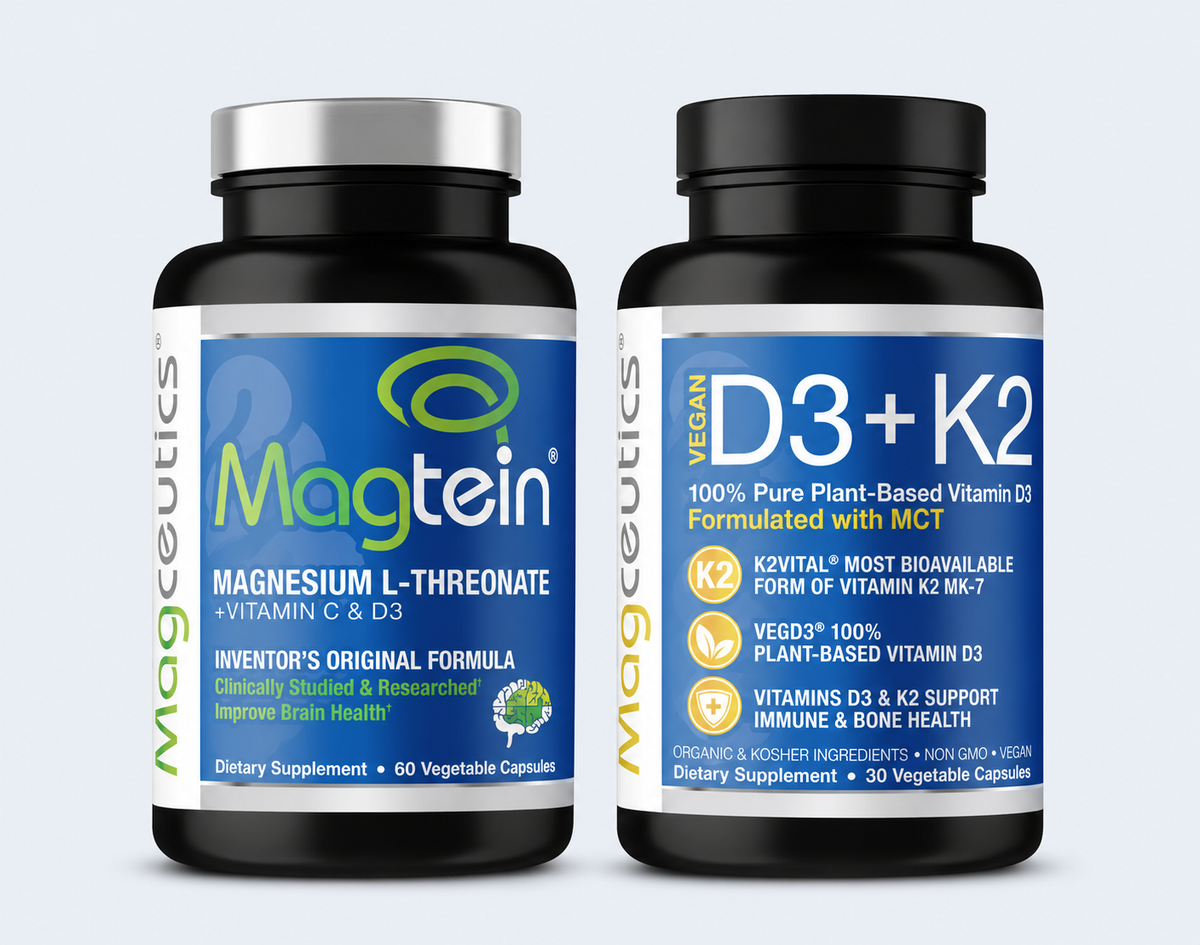
VegD3+K2 offers plant-based vitamin support for bone health, calcium metabolism, and complementary nutritional needs without animal-derived ingredients.
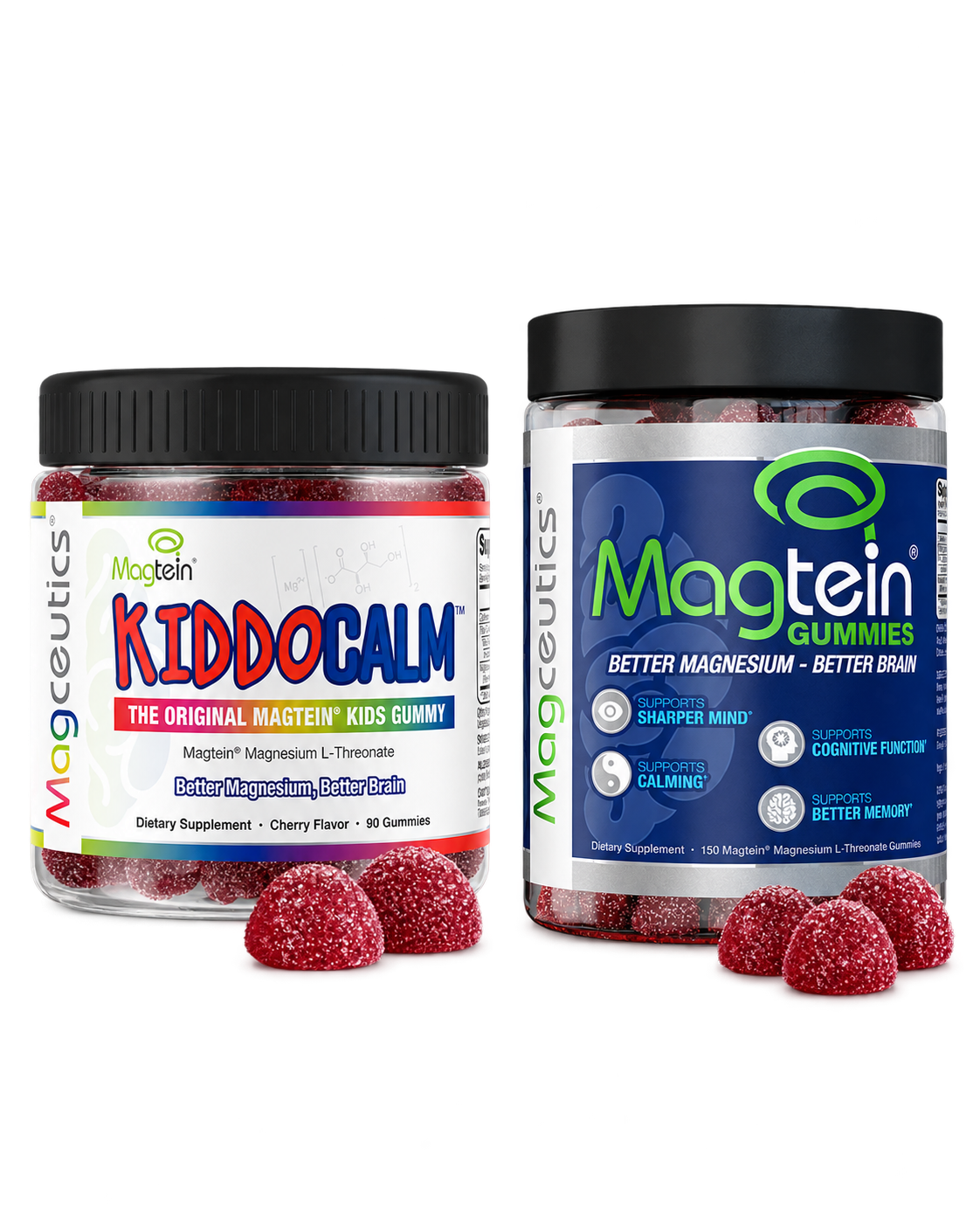
GUMMIES
We also offer convenient gummy formats for cognitive development and children's brain support, along with twin packs providing extended supply for consistent supplementation.
Shop Our Products
LEARN MORE ABOUT YOUR HEALTH
Education drives confident supplementation choices. Our blog functions as a genuine resource exploring topics including magnesium, brain health, vitamins, minerals, and evidence-backed nutrition. We break down complex science into practical information you can actually use. Whether you're researching how magnesium affects sleep, want to know more about brain health as you age, or you’re trying to understand nutrient interactions, our articles provide research-backed guidance.
Stay up to date with our most recent posts
Blog

You sit down to work, and your mind wanders within minutes. You struggle to maintain concentration through an entire meeting. You know you're capable of better focus, but something feels off. While...
Read more
Magnesium L-Threonate vs. Ashwagandha: Which is Better?
You're stressed and can't sleep. You've heard both ashwagandha and magnesium L-threonate can help, but they're completely different supplements with different mechanisms. Choosing between them feel...
Read more
Best Magnesium for Memory and Cognitive Function
Do you ever feel like your brain is just slower than it used to be? You struggle to recall information you know you should remember. It’s hard to focus. You wonder if it’s aging, or hormones, or ju...
Read more